
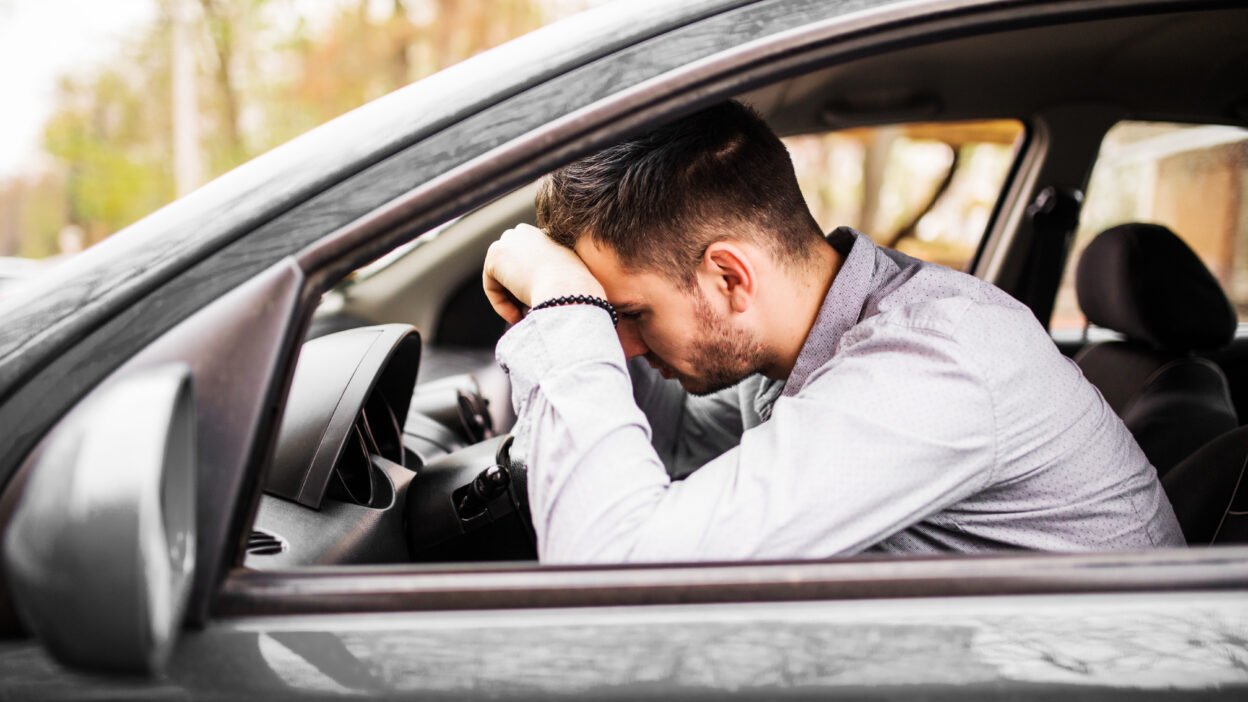
Emotional and psychological injuries after a drunk-driving crash can be just as disruptive as physical injuries, affecting sleep, daily activities, and the ability to drive or work normally. In Ohio, these emotional effects may be included when seeking compensation for emotional suffering and other non-economic losses.
Emotional injuries are often invisible but deeply impactful. Many victims describe ongoing fear, irritability, or loss of confidence after traumatic events. If the crash also leads to criminal charges, a Youngstown criminal lawyer can help explain the OVI-related legal process and the driver’s potential criminal consequences.
What is a Drunk Car Accident Claim?
A victim does not necessarily have to treat emotional distress as an entirely separate category of physical injury. Depending on the claim and evidence, psychological suffering can form part of the underlying personal injury. A Youngstown OVI Attorney can help explain how an OVI-related crash and its psychological effects may affect a victim’s legal claim.
If a victim suffers a traumatic brain injury and subsequently develops anxiety and sleep problems, medical treatment for the physical injury may constitute economic loss, while the mental anguish may fall within noneconomic loss.
Emotional and Psychological Injuries
When most people picture an Ohio personal injury claim, they think of medical bills or surgical recovery. What often goes unrecognized is the lasting psychological trauma that can follow an accident. Common psychological and emotional effects include:
- Fear and Panic Attacks(Generalized Anxiety Disorder)
Victims may develop driving anxiety, or anxiety about returning to the location of the crash. These symptoms can affect work, sleep, and everyday activities. Professional help is required if the trauma is deep-rooted and affects daily activities.
- Depression
A victim may withdraw from social activities or lose interest in hobbies they
enjoyed before the accident. They can get stuck in a negative cycle of thoughts, believing they are incompetent in all activities. Ohio Revised Code § 2315.18 includes mental anguish and other intangible losses within “noneconomic loss.”
- Acute Phobia
Survivors frequently develop a specific, irrational phobia related to the accident. They experience an intense fear accompanied by mental discomfort and a complete lack of courage. The two types of phobias include:
- Vehophobia: An intense, debilitating fear of driving.
- Amaxophobia: An intense fear of being a passenger in a vehicle. This can severely impact a person’s ability to go to work, school, or a medical appointment.
- Post-Traumatic Stress Disorder
PTSD can develop after a serious car crash and may cause flashbacks, nightmares, anxiety, fear of driving, and difficulty sleeping. It can disrupt normal functioning. For Post-Traumatic Stress Disorder (PTSD), a Youngstown injury lawyer can help victims understand how documented psychological symptoms may factor into an Ohio personal-injury claim.
For Instance, in Ingram v. Progressive Motors, Inc. (2024), the plaintiffs said a vehicle safety problem caused them serious fear and anxiety after a near-accident. The court looked at whether their emotional distress was serious enough to support a legal claim.
Ohio Laws for Mental Wellbeing
Ohio law provides important protections for victims seeking compensation for emotional injuries. These include:
- Statute of Limitations (O.R.C. § 2305.10): In many personal-injury cases, you generally have two years to file a lawsuit after the injury occurs.
- Comparative Negligence (O.R.C. § 2315.33): If you were partly responsible for the accident, you may still recover damages as long as your share of fault does not reach the statutory bar.
- Punitive Damages (O.R.C. § 2315.21): In certain cases, additional damages may be available when the defendant’s conduct meets Ohio’s legal standard for punitive damages.
Compensation For Psychological Injuries
Protecting rights after emotional trauma with physical injuries is mandatory. Below is the compensation list.
Noneconomic losses
These can include legally compensable harms such as:
- pain and suffering
- mental anguish
- other intangible effects associated with the injury
Economic losses
Potential economic losses can include:
- medical treatment
- counseling or therapy expenses
- lost wages
- other qualifying accident-related expenses
Potential Defense Issues
The other driver or their insurer may dispute who caused the crash, the severity of the psychological injury, or whether the symptoms were caused by the accident. Working with an experienced legal team like Youngstown Criminal Law Group can be important for understanding the charges, evidence, and legal strategy involved.
Final Takeaway
The effects of an accident can last long after the physical injuries fade. Anxiety, depression, and post-traumatic stress can impact every part of life. Emotional injuries after a drunk-driving crash can last long after physical wounds heal. Proper medical documentation and timely legal guidance can help victims understand and protect their rights under Ohio law.
Disclaimer: This post is for information purposes only and does not constitute formal legal advice.
FAQs
1. What are the mental hurdles one has to face if he’s a victim of a drunk car accident in Ohio?
A drunk-driving crash can lead to anxiety, fear of driving, nightmares, PTSD symptoms, depression, and difficulty sleeping or concentrating. These effects can continue even after physical injuries heal.
2. How long do I have to file a personal injury claim in Ohio?
Ohio law generally provides a two-year filing period for many bodily-injury claims under O.R.C. § 2305.10, although exceptions may apply.
3. How do punitive damages differ from compensatory damages?
Compensatory damages pay for specific losses like medical bills, lost wages, and pain and suffering. While Punitive damages do not replace a loss, they act as a fine or punishment for bad behavior or wrong conduct.