
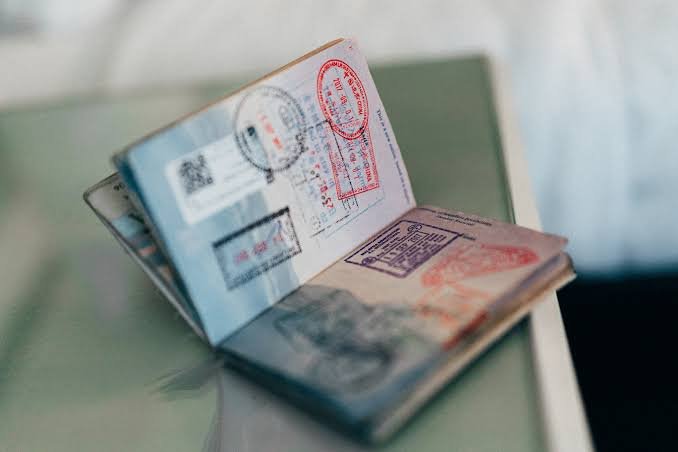
Seafarers joining Panama-flagged vessels may come across different names for maritime documents. Panama officially uses the Seaman’s Book as part of its seafarer documentation system. Understanding this terminology helps crew members identify the right credential, prepare suitable documents, meet Panama Maritime Authority (PMA) requirements, and complete the application process for their intended position on board.
Why Does Panama Use a Seaman’s Book Instead of the SIRB Term?
Maritime administrations use different names for seafarer identity and service documents. Some jurisdictions use SIRB, meaning Seafarer’s Identification and Record Book. Panama uses the term “Seaman’s Book” in its official maritime documentation and guidance.
The PMA issues the Seaman’s Book within Panama’s maritime regulatory system. It forms part of the documentation for seafarers serving on Panama-flagged vessels and works alongside applicable certificates and endorsements required for specific maritime positions.
What Do Seafarers Need for Panama-Flagged Vessels?
The Panama seaman book is an official maritime document issued under the PMA system. PMA guidance states that crew members aboard international commercial seagoing vessels registered under Panama’s flag carry a Seaman’s Book. It applies to Panamanian and foreign seafarers.
Documentation also depends on rank, duties, and certification category. Officers and ratings may require relevant certificates or endorsements under the International Convention on Standards of Training, Certification and Watchkeeping for Seafarers (STCW).
What Documents Are Required for a Panama Seaman’s Book?
Applicants should check the PMA requirements for their specific rank and credential. Common supporting documents may include:
- Application Form: Complete the applicable PMA application form accurately.
- Identity Document: Provide a valid passport or applicable identification.
- Medical Certificate: Submit the required valid medical fitness documentation.
- Training Certificates: Provide applicable STCW training certificates.
- Experience Evidence: Submit sea-service records or professional qualifications when required.
- Photograph: Provide a recent photograph that meets stated specifications.
Requirements vary by rank and credential type, making the applicable PMA checklist the best guide when preparing documents.
How Does the Application Process Work?
The exact procedure depends on the credential and applicant category. The general application process may include:
- Identify the Credential: Confirm the required Seaman’s Book, certificate, or endorsement.
- Prepare the Documents: Gather applicable identity, medical, training, and experience records.
- Submit the Application: Use the appropriate PMA office, consulate, or authorized channel.
- Complete Verification: Provide professional qualifications and supporting documents for review.
- Receive the Credential: Receive approved documentation after successful processing.
Following the applicable PMA requirements helps applicants prepare the correct documentation for review.
What Should You Check Before Applying?
A careful review can help keep an application accurate and complete. Important checks include:
- Personal Details: Keep names and identity information consistent across documents.
- Document Validity: Check passports, medical records, and professional credentials.
- STCW Requirements: Match certificates with the intended maritime position.
- Application Channel: Use the appropriate PMA or authorized processing route.
- Position Requirements: Follow requirements for the relevant rank and function.
Applicants searching for a Panama seaman book should check current PMA requirements for their specific maritime role before applying.
Conclusion
Panama officially uses the Seaman’s Book within its seafarer documentation system, while some other maritime administrations use SIRB terminology. Seafarers serving on Panama-flagged vessels should identify the credential required for their rank, prepare valid supporting records, and follow current PMA guidance. Careful document checks can help applicants complete the process accurately and meet applicable maritime requirements.