
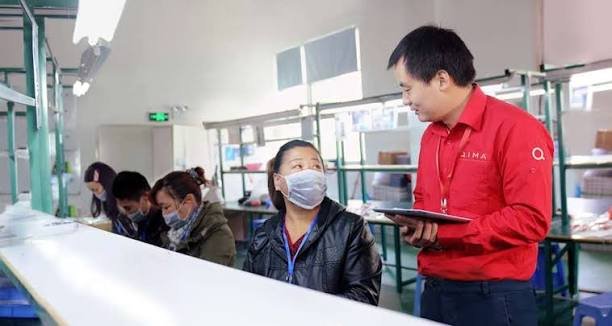
Businesses sourcing products from China can manage inspections through third-party QC services or an in-house QC team. Inspection volume, staffing, travel, and management influence overall spending. Comparing these costs helps businesses choose an approach that fits their sourcing needs and budget.
What Does Third-Party QC Inspection Cost in China?
Third-party quality control in China uses service-based pricing. Businesses arrange inspections around production schedules. Charges can vary by inspection scope, factory location, product requirements, and inspector workdays.
Typical costs can include:
- Inspection Fees: Providers may charge by inspection, inspector workday, or agreed service scope.
- Travel Expenses: Factory location can influence transportation charges.
- Testing Fees: Laboratory testing or specialist checks can carry separate service charges.
- Reinspection Fees: Further verification can create an additional inspection charge.
Together, these expenses allow companies to align QC spending with inspection activity.
What Does an In-House QC Team Cost in China?
An in-house model involves employing QC professionals who work for the business. Expenses can include salaries, employee benefits, administration, and equipment. Recruitment, onboarding, training, supervision, and travel also add to spending. Businesses sourcing across several regions may require a larger travel budget, while concentrated suppliers can simplify inspector travel.
How Do Inspection Volume and Factory Locations Affect Cost?
Inspection frequency shapes the cost of each model. Businesses with changing inspection volumes can align third-party spending with inspection needs. Companies with frequent inspections can compare recurring service charges with the annual expense of dedicated employees.
Supplier locations also influence costs. Factories spread across several regions can increase travel time and expenses. A concentrated supplier base can support simpler scheduling and more efficient travel planning for an in-house team.
What Other QC Costs Should Businesses Consider?
A useful comparison also includes expenses beyond inspection fees and salaries, such as:
- Recruitment Costs: Internal hiring can involve recruitment, onboarding, and training expenses.
- Employee Utilization: Inspection volume determines how fully permanent employees use their available working time.
- Management Costs: Internal teams require scheduling, supervision, and performance management.
- Travel Costs: Factory visits can involve transportation and accommodation expenses.
- Follow-Up Costs: Additional verification can create further inspection and travel expenses.
Including these items gives businesses a clearer estimate of annual QC spending.
Third-Party QC vs. In-House QC Cost Comparison
The main cost differences between third-party and in-house QC models are:
| Cost Factor | Third-Party QC | In-House QC |
| Staffing | Service-based expense | Regular employee expense |
| Recruitment | Provider-managed staffing | Company-managed hiring |
| Training | Provider-managed | Company-managed |
| Travel | Based on inspection location | Based on factory visits |
| Management | Provider handles inspectors | Company manages team |
| Volume Changes | Service use can scale | Team capacity guides coverage |
For quality control in China, comparing these cost factors with inspection frequency and supplier locations can help businesses understand which model better aligns with their annual QC budget.
Conclusion
Third-party inspections and in-house QC teams provide different ways to manage inspection costs in China. Third-party services offer flexible scheduling and service-based spending, while internal teams provide dedicated company resources. Comparing annual service charges, staffing expenses, travel needs, inspection volume, and management requirements helps businesses choose the model that best matches their sourcing operations and financial plans.