Food packaging plays an important role in how customers experience a brand. Whether serving sandwiches, wrapping baked goods, or presenting takeaway meals, businesses need packaging that combines practical functionality with an attractive appearance. Custom food wrapping paper offers an effective way to improve presentation while maintaining a consistent brand identity.
Restaurants, cafés, bakeries, and delicatessens increasingly recognize that packaging is more than a protective layer. It provides an opportunity to communicate professionalism, showcase a logo, and create a memorable customer experience. Thoughtfully designed wrapping paper can make even a simple takeaway order look polished and appealing.
For businesses seeking reliable and visually appealing food wrapping solutions, Custom Deli Paper Canada provides an opportunity to combine everyday packaging requirements with personalized branding. From sandwiches to pastries, customized deli paper helps food businesses create a recognizable presentation across different products.
1. Why Custom Deli Paper Matters for Food Packaging
Deli paper is a versatile packaging material commonly used to wrap, separate, and present different food items. Its lightweight construction makes it convenient for busy food service environments where speed, cleanliness, and presentation matter.
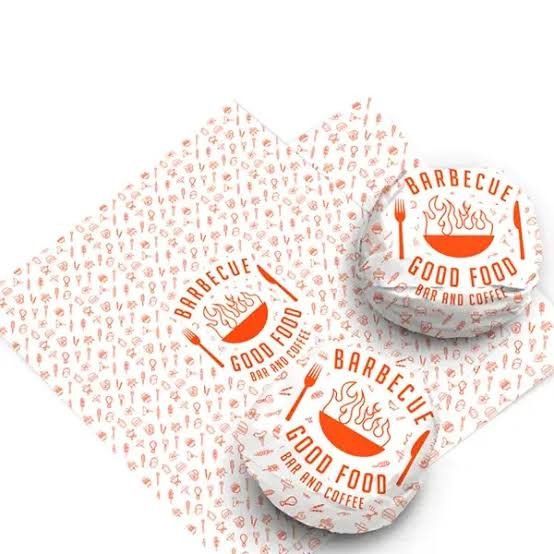
Custom printing adds another dimension to its usefulness. Instead of relying on plain wrapping materials, businesses can incorporate their logos, brand colors, patterns, or promotional designs into their packaging.
This approach helps establish a consistent appearance across takeaway orders and in-store service. It also allows businesses to make packaging feel like an intentional part of the customer experience rather than an afterthought.
2. Strengthening Brand Identity Through Custom Printing
Brand recognition is essential in a competitive food industry. Customers often encounter numerous restaurants and food products throughout their day, making distinctive visual branding particularly valuable.
Custom deli paper provides an additional surface for displaying a business identity. A well-positioned logo, coordinated color scheme, or recognizable pattern can help customers associate a product with the company that prepared it.
Printed wrapping paper also creates opportunities for organic brand exposure. When customers photograph meals or share their food experiences online, attractive branded packaging may appear naturally in those images.
Maintaining consistency between packaging, menus, storefront designs, and other marketing materials further contributes to a cohesive and professional business image.
3. Practical Applications Across Different Food Businesses
One advantage of custom deli paper is its adaptability. Different food establishments can incorporate it into their daily operations without significantly changing their existing packaging processes.
Sandwich shops can use deli paper to wrap sandwiches, burgers, and rolls. Bakeries may place it beneath cookies, pastries, and other baked products to improve their presentation. Cafés can use printed sheets as basket liners or as part of takeaway food packaging.
Food trucks and casual dining businesses can also benefit from customized paper. It provides a convenient way to maintain recognizable branding when serving meals in different locations.
Choosing the appropriate paper specifications for the intended food application is important, particularly when packaging products containing moisture, oil, or grease.
4. Improving Customer Experience With Attractive Packaging
Customers notice how their food is presented. Packaging that looks clean, organized, and thoughtfully designed can contribute to a positive impression before the customer even takes the first bite.
Customized deli paper helps businesses establish a recognizable presentation style. Whether a company prefers minimalist branding, colorful illustrations, or a traditional design, its wrapping paper can reflect the atmosphere and personality of the brand.
Practical packaging also improves convenience. Appropriately sized sheets make it easier for employees to wrap food neatly while helping customers handle their purchases.
When visual appeal and everyday functionality work together, packaging becomes a meaningful part of the overall dining experience.
5. Choosing the Right Custom Deli Paper Design
Creating effective custom deli paper requires attention to both appearance and usability. A design should communicate the brand clearly without overwhelming the food presentation.
Logos should remain recognizable at the selected print size. Colors should complement the company’s existing visual identity, while patterns should work well across different wrapping arrangements.
Businesses should also consider the dimensions of their food products before selecting sheet sizes. Smaller sheets may suit pastries and individual snacks, while larger formats can accommodate sandwiches, wraps, and food baskets.
Another consideration is print placement. Repeated patterns can help maintain brand visibility even when the paper is folded or partially covered by food.
Working with a packaging supplier to confirm material specifications, printing options, and intended food-contact suitability helps ensure that the final product meets operational requirements.
6. How Customized Packaging Supports Business Growth
Packaging can contribute to marketing efforts without requiring customers to interact with a separate advertisement. Every branded takeaway order creates another opportunity for a business to display its identity.
For growing restaurants and bakeries, consistent packaging can help build familiarity across multiple customer interactions. It also creates a more unified appearance when businesses expand their menus, introduce new products, or operate from additional locations.
Custom deli paper may also complement seasonal promotions and special campaigns. Businesses can explore limited-edition designs for holidays, product launches, or promotional events while preserving their core branding.
When packaging is selected with both presentation and practicality in mind, it becomes a useful investment in the company’s wider customer experience.
7. Complementing Deli Packaging With Custom Greaseproof Paper
Different food products require different packaging characteristics. Businesses serving oily or moisture-rich foods may need wrapping materials designed specifically for those conditions.
Custom greaseproof paper Sheets can complement deli paper by providing an additional branded packaging option for suitable food applications. These sheets are useful for businesses looking to maintain attractive presentation while addressing the handling requirements of different menu items.
Restaurants, bakeries, and takeaway establishments can coordinate the appearance of their deli paper and greaseproof sheets through matching logos, colors, and printed patterns.
Using complementary packaging materials allows businesses to create a consistent brand experience across sandwiches, pastries, burgers, and other food products without depending on a single paper type for every application.
8. Conclusion
Custom deli paper offers food businesses a practical way to combine product presentation, convenient handling, and recognizable branding. Its versatility makes it suitable for restaurants, cafés, bakeries, sandwich shops, and other establishments that want to create a polished customer experience.
By selecting appropriate materials, choosing a thoughtful design, and maintaining consistency across packaging products, businesses can turn everyday food wrapping into an effective branding opportunity. Quality custom packaging helps every order communicate the care and attention behind the business.