
Custom Paper Plates are effective in food presentation at events, restaurants, and catering arrangements. These plates promote branding activities and convenience when providing the service. They are used by businesses to display meals in an organized and attractive fashion. The design options, the material robustness, and the quality of the prints can be used to affect the overall perception of the customer. The food service industry has an increased demand where presentation is as important as taste. These plates allow event planners and food vendors to have a steady flow of service. Surface design and print customization expand branding opportunities. Competition in the market promotes more innovative designs and production of plates. Custom solutions assist companies in staying true to themselves and working with large populations at the same time. This type of product promotes both small and large-scale usage with functionality and aesthetic value.
Market Growth
The food packaging market has been experiencing consistent market growth both in the catering and retail industries. Restaurants, event organizers, and food delivery are the sources of demand. The need for branding drives companies to use visually different serving materials. Food presentation has become a source of competition, resulting in investment in printed and branded solutions. Big customers seek consistency and bulk in packaging materials. The emphasis of supply is on high volume at consistent quality output. Companies are engaging in cost-effective ways of producing products to serve. Custom paper plates wholesale is contributing to the bulk needs of various service providers. Production is aligned with the large order fulfillment and steady design production in manufacturing units. Market movement designed branding solutions for the food service business.
Design Trends
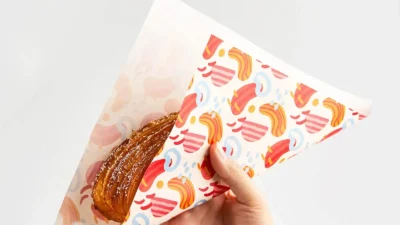
Food service packaging design trends mirror the changing customer expectations about the visual appeal and presentation standards. Color schemes and layout choices have an impact on customer perception of meals served at events and catering setups. The surface aesthetics is an investment that the brands make in order to enhance recognition within the competitive food service environment. Dining identity is enhanced using visual tools, as long as the materials used have similar branding factors. Printed Paper Plates assist with design integration in the food service operations. Organizers of events choose uniformity of styling in disposable serving materials and brand alignment. The minimalism style of design has an impact on the presentation style of catering in a high-volume service. Shifting of market preferences to interesting serving materials that can help promote brand recognition in events. Customer satisfaction in food service industries is a factor related to design consistency.
Event Usage
The usage patterns of the events indicate that they depend on the disposable serving solutions to serve large events and food services. Wedding planners and corporate organizers emphasize the quality of presentation in the materials that are provided to the guests. Catering crews use systematic serving procedures and regular material consumption to address the needs of large volumes of food services. Regional supply networks affect the availability of food service industries. Custom paper plates in USA are commonly used in event catering processes. Outdoor events and festivals are dependent on robust serving materials that facilitate speedy service flow. Food presentation branding enhances awareness of service providers in various kinds of events. Distribution is supported by logistics to distribute materials during high event times of the year. Presentation of efficiency is demanded among service providers in high-demand environments.
Brand Identity
Food service brand identity depends on visual stability and presentation of materials on serving items. Recurring exposure of design elements in customer interactions results in recognition among companies. Branding strategies help enhance identity with visual themes in food service materials that are customized with Paper Plates to reinforce the brand in serving presentation. Unified presentation tools are essential in restaurants and catering services to ensure brand recognition. Customer perception and recurring involvement in competitive food markets are encouraged by visual identity. The design of packaging is very central to the perception of a business and recall by customers. Regular branding of serving materials enhances customer confidence in services over a long period. When a visual presentation matches service expectations, then market positioning is enhanced.
Material Choice
Durability and quality of presentation during food service usage are dependent on the material selection in the food service packaging. Corporations assess the quality and the appearance of serving materials to be used to assure a uniform customer experience. Branding and service identity in various food presentation systems are influenced by material selections. Personalized paper plates promote customer interaction with visual design. The event catering requires the use of credible materials that can sustain aesthetics and functionality. The material quality is an important factor in the eyes of food service providers as a way of ensuring brand standards. Paper and coating options influence the performance of the product in high-volume service settings. Food serving material production is done with consistency across production batches due to manufacturing standards. Customer satisfaction and operational efficiency in food businesses are influenced by the supply decisions.
Production Flow
The process of production within packaging manufacturing comprises the design approval process and preparation of materials. The printing, cutting, and finishing process is controlled in factories to ensure that the quality of output remains constant. Integration of brands in production helps in recognition by matching visual identities with the logo. Custom Paper Plates with logo help in increasing brand visibility in serving dishes. Quality control would provide consistency among the mass-scale production batches of food service products. Product teams liaise with manufacturing teams to ensure accuracy in branding. The processes of material handling contribute to efficient workflow in manufacturing plants. Production scheduling matches the output to the demand requirements of clients in the food service industry. The high-volume food operations can be supported by efficient systems of service during peak demand.
Business Reach
Effective distribution channels and robust market positioning strategies enable the business to reach wider markets. Food service and event companies focus on different target customers. The global supply chains affect the availability of the product and brand in competitive markets. Marketing is geared towards awareness and customer retention. Food service companies grow their operations through the enhancement of presentation and service effectiveness. Expansion into new markets to serve material providers is facilitated by regional partnerships. Innovation in product presentation and packaging solutions is based on customer demand. The operational efficiency is fundamental in maintaining growth in the competitive sectors. Strategic planning and resource allocation can assist the organizations to be stable and enhance the quality of service delivery and reach a larger customer base in various sectors continuously over time.
Customer Value
Quality, presentation,Custom wax paper and consistency of food service experiences contribute to customer value. The service providers strive to enhance customer satisfaction by offering quality and appealing serving solutions. Customers have a higher perception of the brand when the food is presented as expected. Repeat business is accomplished as a result of regular service delivery and good visual appeal. Food industries invest in resources that contribute to a pleasant dining experience and processes. A high level of customer loyalty is enhanced by the uniformity of service and presentation. Efficient service systems help in high-volume food operations when demand is high. Market reputation is enhanced when companies do not change branding or service quality. The key to long-term success is the need to know customer needs, service standards, and changing the presentation methods to meet the changing market expectations, which is continuously applied.
Conclusion
Custom Paper Plates will continue to play a critical role in the current food service setting, whereby presentation and functionality affect customer experience. Companies have well-organized design methods to be consistent in the delivery of materials. Vibrant visual identity promotes brand awareness in events and dining services. In high-demand situations, overall performance is determined by the selection of materials and the quality of production. Service providers are focused on efficiency and still tend to be visual in food presentation. Market demand records a constant growth in the catering and hospitality markets. The applications of products can be found in events, restaurants, and major events. The custom solutions are efficient in branding and operational solutions to food businesses that require reliable solutions to serve them well at all times.ner enhances customer perception. Brand identity is strengthened through visual systems at the levels of brand application, which is consistent across markets.