
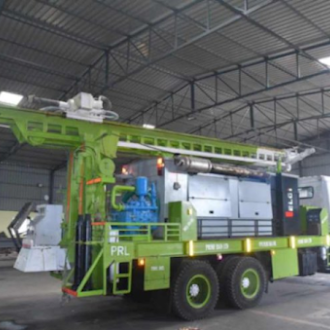
Every mining operation reaches a point where its machines stop helping and start holding it back. Repair bills climb, output slips, and schedules slide. When that happens, many managers ask whether it’s time to buy mining rig equipment that matches today’s demands instead of yesterday’s. The answer is rarely a single date or number. It comes from reading a few clear signals.
Signs It’s Time to Upgrade
Watch for these warning signs:
- Rising maintenance costs: If repairs, replacement parts, and unplanned stops eat a growing share of your budget, the machine is costing more than it earns.
- Falling productivity: Slower penetration rates, faster bit wear, and missed targets suggest the equipment can’t keep up.
- Safety concerns: Outdated controls, weak guarding, or unreliable braking put crews at risk.
- Changing project needs: Deeper holes, harder rock, or different hole diameters may exceed what your current machines handle comfortably.
- Efficiency and compliance pressure: Older engines burn more fuel and may struggle to meet newer emissions expectations.
One sign alone isn’t always decisive. Several appearing together usually are.
Run the Numbers First
Gut feeling isn’t enough. Calculate your cost per meter drilled, including fuel, labor, parts, consumables, and downtime. Then compare it with a realistic estimate for newer equipment. Don’t forget lost production. A rig that sits idle for days can delay blasting, sampling, or exploration schedules, and those delays are expensive. If you’re watching your budget, ask whether a refurbished unit could deliver the performance you need at a lower upfront cost. Also consider the resale value of your existing machine.
Consider What New Technology Offers
Modern equipment does more than drill faster. GPS tracking, telematics, and improved control systems show how each machine performs. Teams can then schedule maintenance before failures happen, spot inefficient operating habits, and improve fuel use. Better dust control and operator comfort also help with safety and retention.
Selecting the Right Replacement
Before you buy mining rig equipment, match the machine to the work, not just the budget. Review these points:
- Capacity: Depth, hole diameter, and rock hardness should fit your typical jobs, with some room to grow.
- Mobility: Crawler, truck, or skid mounting should suit your terrain and site layout.
- Spare parts: Make sure components and consumables are easy to source.
- Training: Ask whether the supplier helps train operators and maintenance crews.
- After-sales support: Fast service can matter as much as the machine itself.
Conclusion
Upgrade when repair costs, downtime and safety risks outweigh the price of change. Compare cost per meter, match specifications to real project needs, and pick a supplier with dependable support. Modern drilling rigs can repay their cost through higher output and fewer unpleasant surprises. Prime Rigs manufactures and exports drilling equipment, including blast hole, core, and water well rigs, refurbished units, and accessories, supporting mining, construction, and water projects across Africa, Asia, and the Middle East.