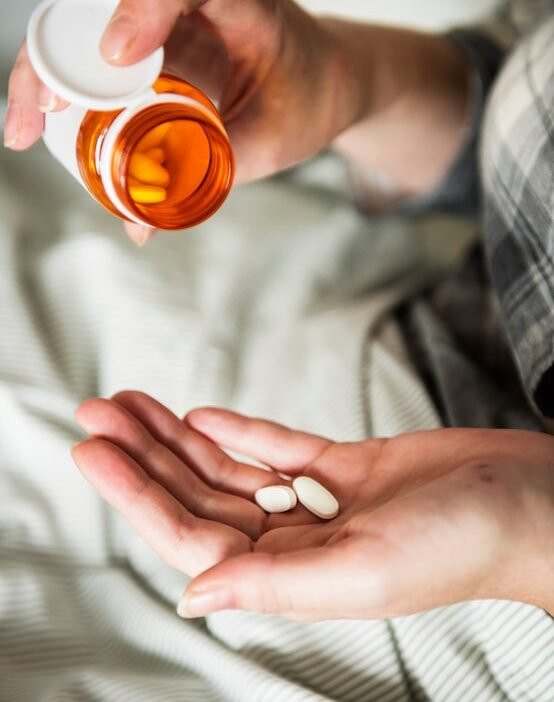
The usage of medicines plays an essential role in disease management, alleviation of symptoms of diseases, prevention of complications, and the process of recovery. Nevertheless, the efficiency of the medicine highly depends on the proper prescription, storing, and the consumption of drugs. Overdose, combination of various medicines without any consultation with any specialists, and premature stop of the course of the treatment can be extremely harmful for one’s health. Therefore, the safe usage of medicines is one of the key elements of the responsibility of doctors, pharmacists, patients, and caregivers. In addition to the capability of consuming medicines in accordance with the instructions written on the package, the knowledge of the necessity of treatment, side effects, and sharing of personal health information should also be considered the safe usage of medicines.
Need for Updating List of Prescribed Medications
The need for updating the list of the medications prescribed to patients lies in the fact that the consultation of a patient and a doctor will become efficient and the chances of errors will decrease. It is especially relevant in those situations when a patient consults more than one specialist, gets treatment in different hospitals in Pakistan, and/or suffers from several illnesses at once. The updated list of medications consists of the names of the drugs that a patient takes, the concentration, and the dosage, as well as information about his/her allergic reactions to specific drugs. The patient is able to add some medications and supplements not prescribed by a physician into the list. This list needs to be updated each time when a new medication is prescribed, altered, or stopped to avoid misunderstanding in the future. Such a list may be necessary in case of emergencies.
Roles of Pharmacists and Other Health Care Practitioners
The safety of drugs prescribed by medical doctors and pharmacists is possible to be provided through the specific functions performed by both specialists. Therefore, the possibility of doctors’ work is that they can evaluate the state of a patient and give advice about whether the patient needs medicines. The function of a pharmacist is to assist in understanding how to use medications properly. Moreover, pharmacists can assist in making the process of using medications clear for patients, in identifying any interactions between the medications, and in giving recommendations concerning visiting health care practitioners. Also, nurses or other health care practitioners can be engaged in providing safe use of the medications and monitoring patients’ states during treatment. Such an approach is very important for those patients who suffer from chronic illnesses and take a lot of medications permanently.
Medication Safety in Hospitals and Healthcare Facilities
There should be a need for healthcare facilities to have in place measures that can prevent any form of medication error in the prescription, dispensing, administration, and review of the use of medications. Documentation, patient identification, labelling, and standardization of the process help greatly in ensuring that the medication is used by the right patients in the right doses. Furthermore, the hospital should have in place a mechanism that will take care of the handling of high-risk medications, treatment monitoring, and communication in the departments when there is any change in the treatment protocol.
Admission and discharge of inpatients calls for medication review, as it is at this point that there can be changes in the treatment protocols for patients while they are hospitalized. The patient plays a role in confirming the medication and allergies and seeking clarification when there is a conflict in the new treatment protocols compared to the old ones. Medication safety best hospitals in Pakistan is another factor that must be considered along with clinical services and supervision.
The Role of Patient Participation in the Process of Managing Medication Therapy
Medication usage becomes safer as patients get involved in the process of decision-making on medication therapy. It is not about the modification of prescriptions by the patient himself/herself but the participation in the education process, discussion of possible issues, and the asking of the extra information. The patient should inform his/her healthcare professional about his/her allergies and reactions in case of any, pregnancy if it is required, diseases, medications that are currently taken, and all the information that is possible for improving the process of treatment. The patient should also be informed about possible problems with medication adherence due to the complicated regimen, possible side effects, and access to prescribed medications. Healthcare professionals would try to make some changes and adjustments in case of such issues. Family members and caregivers would be able to help patients, including children, elderly people, and those who need help in taking their medications.
Conclusion
The safe use of medications is one of the main components of responsible medicine. It is equally important for the patients and medical personnel. The safe use of medications includes such aspects as proper knowledge about the drug, its dosage, the question of interaction, and proper keeping and storage of medications. The significance of the involvement of health organizations in this process cannot be ignored since they may provide proper recommendations and ensure communication between the medical personnel. Optimal use of medications will always be the proper use of them
Also Read: Why Haryana Is a Strong Base for Third-Party Veterinary Manufacturing?