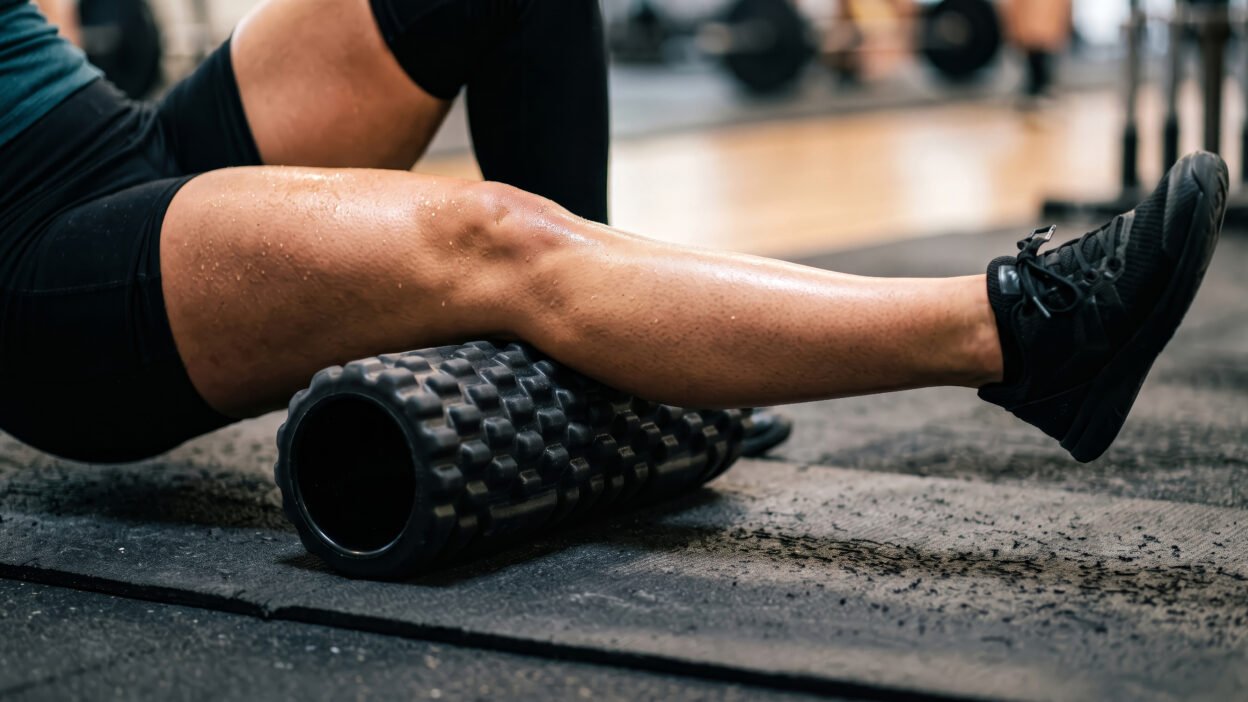
You know that moment after a brutal leg day when walking down the stairs suddenly feels like a personal attack? As a massage therapist, I get enough clients who work out hard and then tell me everything hurts.
Welcome to the glamorous side of fitness.
The good news is that recovery is finally getting the attention it deserves. More gym-goers are adding massage to their routines because they want to feel less stiff, sore, and beaten up after training. If you’re looking for the best full body massage, don’t simply pick the strongest treatment on the menu. Your muscles have opinions too.
Why Massage After Exercise Has Become So Popular
Hard workouts stress your muscles. You may feel stiffness and soreness a day or two later, particularly after trying a new exercise or increasing your training intensity.
And there’s some science behind this. A systematic review of 29 studies involving 1,012 participants found that massage was associated with small improvements in flexibility and delayed-onset muscle soreness (DOMS). It didn’t, however, show clear improvements in strength, sprinting, endurance, or fatigue.
So, no, massage isn’t going turn your Tuesday workout into Wednesday’s superpower. Think of it as one useful tool in a bigger recovery routine.
Sports Massage For Recovery
Sports massage is often a favorite among regular gym-goers. It takes a more targeted approach, focusing on areas that have worked particularly hard.
Legs feeling like concrete after squats? Shoulders complaining after an upper-body session? Targeted work can be useful here.
Research is promising. A meta-analysis found that massage significantly reduced muscle soreness at 24, 48, and 72 hours after strenuous exercise.
Full Body Relaxation Massage: When You Need to Unwind
Here’s something I tell clients often: not every tired muscle needs to be attacked.
Sometimes your body is exhausted, your brain is exhausted, and you simply need an hour where nobody expects you to lift anything heavier than a cup of tea.
A body massage in Richmond can be a lovely option here. Swedish techniques use flowing strokes and lighter-to-moderate pressure to encourage relaxation while working across the body.
For instance, at one of the best massage spas in Richmond, Palais France Massage includes foot and body massage alongside other approaches. Their therapists adapt sessions to individual needs rather than treating every client the same.
Deep Tissue Massage for Stubborn Tightness
And then there are those stubborn knots that seem to have signed a long-term lease.
Deep tissue massage uses slower, firmer pressure to work on areas of persistent tension. But please remember my golden rule: deeper doesn’t automatically mean better.
If your muscles are already tender after a hard workout, going straight for maximum pressure may leave you feeling like you’ve been hit by the workout all over again. Your therapist should know what you trained, where you feel tight, and what pressure feels comfortable.
Which Massage Style Fits Your Workout?
Match your recovery to your training. Here’s how to choose the right massage therapy in Richmond for your specific workout needs.
| Your Situation | Massage Approach |
| General soreness after training | Sports massage |
| You feel stressed and physically tired | Full body relaxation massage |
| Persistent muscular tightness | Deep tissue massage |
| Tired feet after running or standing | Foot and body massage |
| You want stretching and mobility work | Thai massage |
Combination treatments can also be worth considering. Most massage spas offer them for clients who want attention beyond their back and shoulders.
What I Tell My Gym-Going Clients
Don’t wait until your body starts filing formal complaints.
A good massage session should begin with a conversation. Tell your therapist what you trained, where you feel sore, and whether the discomfort feels like ordinary post-workout soreness or something unusual.
And remember, massage is only one piece of recovery. Sleep, good nutrition, hydration, rest days, and sensible training progression still do the heavy lifting.
If you have sharp pain, significant swelling, numbness, weakness, or suspected injury, don’t simply massage your way through it. Get appropriate medical advice first.
Your workouts challenge your body. Your recovery routine should respect it. After all, your muscles have already been through enough. They don’t need a competition with the massage table!
FAQs
1. Should I get a massage before or after a workout?
If your goal is recovery, getting a massage after training generally makes more sense. A lighter massage may be appropriate before exercise, depending on your workout and goals.
2. How often should you get a massage if you work out regularly?
There’s no universal schedule. If you train several times a week, factors such as workout intensity, muscle soreness, stress, and overall recovery should guide how often you book your sessions at spas like Palais France Massage.
3. Why do I feel sore after a deep tissue massage?
Some tenderness can happen after deeper-pressure work, especially when your muscles are already tired from training. The goal is effective pressure, not seeing how much pressure you can tolerate.