
You may notice that walking, climbing stairs or getting up from a chair has become more difficult because of hip pain or stiffness. When these changes start affecting your routine, sleep or independence, it may be time to understand what is causing the problem and whether further treatment is needed.
A doctor may consider Hip Replacement Surgery when joint damage significantly affects movement, comfort and daily activities. Imaging findings, overall health and response to previous treatment also influence the decision. A detailed orthopaedic assessment can help determine whether surgery or another treatment approach is appropriate.
Understand When Hip Replacement May Be Considered
A hip replacement may be considered when joint damage causes lasting problems with movement and function. Conditions such as osteoarthritis, rheumatoid arthritis and osteonecrosis can damage the hip joint over time. These changes may eventually make joint replacement an appropriate treatment option.
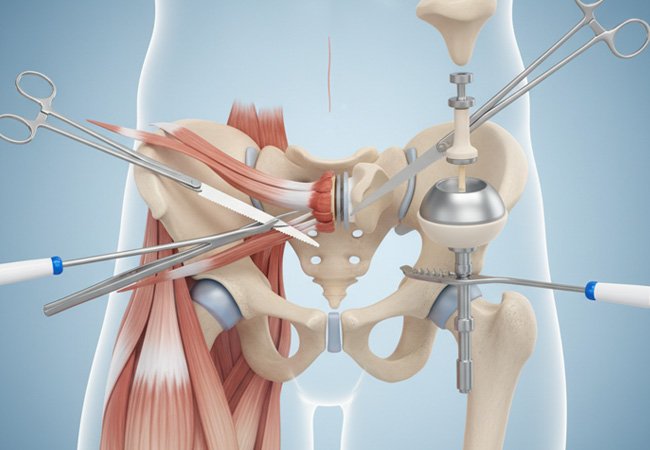
Doctors consider the joint condition and how the patient responded to previous treatment. The procedure replaces damaged parts of the hip joint with artificial components. This can help reduce pain, improve joint function and support everyday movement.
Recognise Signs That May Point to Hip Replacement
Hip symptoms may develop gradually and begin affecting routine movement over time. Certain changes may indicate when an orthopaedic assessment is needed.
- Persistent Hip or Groin Pain: Ongoing discomfort that regularly affects everyday activities may require medical assessment.
- Pain During Rest or Sleep: Hip discomfort during rest or sleep can be a reason to discuss symptoms with a doctor.
- Difficulty Walking or Standing: Hip problems may make walking or standing for longer periods more challenging.
- Increasing Hip Stiffness: Reduced flexibility may make bending and other movements harder, particularly after sitting.
- Difficulty Using Stairs: Hip pain or restricted movement may make climbing or descending stairs more demanding.
- Changes in Everyday Activities: Getting dressed, rising from a chair or entering a car may require greater effort.
These signs can have different causes. An orthopaedic assessment can help identify the underlying condition and guide appropriate care.
Assess How Hip Pain Affects Your Daily Life
The pattern of hip pain can help show how much the joint condition affects daily function. Doctors may consider how often pain occurs and whether it appears during activity, rest or sleep.
They also assess whether pain limits walking, standing, working or completing routine tasks. Difficulty getting dressed, rising from a chair or using stairs may indicate reduced joint function. Increasing reliance on support for everyday movement can also show that the condition is affecting independence. These changes help doctors understand whether symptoms remain manageable or require a different treatment approach.
Consider Surgery When Other Treatments Provide Limited Relief
Non-surgical treatment is often considered first, depending on the cause and severity of hip symptoms. Surgery may be discussed when these measures provide limited relief and daily function remains affected.
Factors that may lead to consideration of hip replacement surgery include:
- Persistent Pain: Hip pain continues despite appropriate non-surgical treatment.
- Ongoing Stiffness: Restricted movement continues to affect everyday activities.
- Limited Mobility: Walking, standing or using stairs remains difficult.
- Reduced Daily Function: Routine tasks continue to require greater effort.
- Significant Joint Damage: Imaging shows structural changes that support consideration of joint replacement.
- Limited Treatment Response: Physiotherapy, medicines or other suitable measures have not provided enough improvement.
Doctors also consider overall health and individual treatment goals before recommending surgery. This helps determine whether hip replacement may improve function and everyday movement.
How Do Doctors Determine Whether You Need a Hip Replacement?
An orthopaedic assessment considers several factors to understand the hip’s condition and determine a suitable treatment approach. These include:
- Medical History: Doctors review symptoms, relevant health conditions and how the hip problem has developed.
- Daily Function: They assess the person’s ability to walk, stand, use stairs and complete routine activities.
- Physical Examination: The doctor assesses hip movement, joint function and surrounding muscle strength.
- Imaging Findings: X-rays can show changes within the hip joint and help assess joint damage.
- Previous Treatment: Doctors consider how symptoms have responded to appropriate non-surgical care.
- Overall Health: General health helps determine whether an operation is a suitable option.
Together, these findings help the doctor and patient discuss suitable treatment options based on the person’s condition and individual needs.
Conclusion
Changes in hip comfort and mobility can affect everyday movement and independence. Persistent pain, stiffness or reduced function should be assessed to understand the underlying joint condition. Hip replacement surgery may be considered when symptoms continue despite suitable treatment and joint damage affects daily activities. Doctors also review imaging findings, overall health and previous treatment before deciding whether hip replacement is an appropriate option.