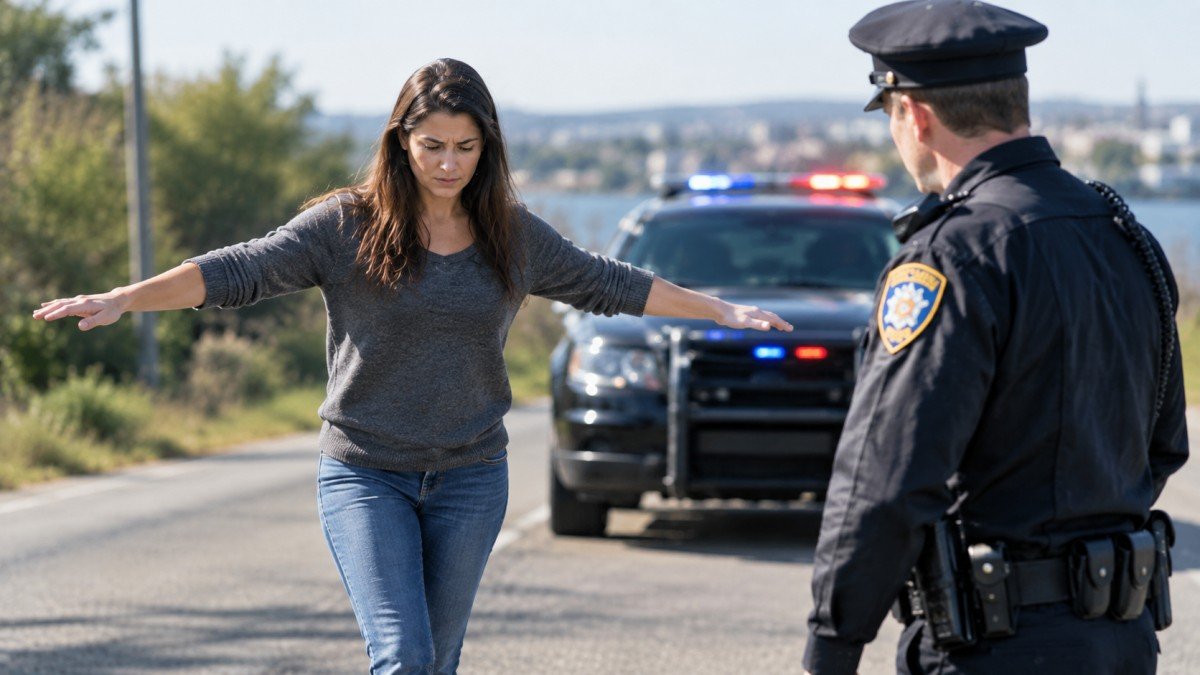
A DUI arrest can happen because of what an officer sees: watery eyes, an unsteady step, a missed heel-to-toe, or unusual eye movement. But these signs do not automatically establish intoxication. Standardized Field Sobriety Tests (SFSTs) are designed to identify clues associated with impairment, not diagnose medical conditions.
This distinction matters in Pennsylvania. A Pittsburgh criminal lawyer reviewing an SFST-based DUI case may ask: Is there another explanation for the same observation?
The NHTSA SFST framework recognizes 3 standardized tests: Horizontal Gaze Nystagmus (HGN), Walk-and-Turn (WAT), and One-Leg Stand (OLS). NHTSA validation material reports a 91% correct arrest decision rate for the 3-test battery at BAC levels of 0.08% or higher. This statistic describes a study result, not a guarantee that every person who performs poorly is impaired. Let us explain this below.
When Physical Conditions Can Look Like Impairment
| Observed cue | Possible non-alcohol explanation |
| Bloodshot or watery eyes | Allergies, dust, irritation, eye strain, fatigue |
| Poor balance or stumbling | Vertigo, inner-ear disorders, injury, joint problems |
| Slow or unusual speech | Speech disorder, anxiety, fatigue, neurological condition |
| Abnormal eye moment | Medical or neurological conditions, medications, eye disorders |
These alternatives can matter when challenging field sobriety tests. The NH’s National Institute on Deafness and Other Communication Disorders explains that balance depends on the inner ear, vision, touch, and muscle movement. Balance disorders can cause dizziness, staggering, blurred vision, and falls.
Fatigue, anxiety, injury, or physical discomfort can also make divided-attention tasks harder without establishing intoxication. A Pittsburgh DUI attorney may therefore examine whether the officer documented these circumstances before interpreting the results.
HGN Deserves Particular Scrutiny
HGN measures involuntary eye movements as the eyes track a stimulus. Nystagmus has multiple possible causes. Medical sources identify neurological, inner-ear, eye, head injury, and medication-related causes, among others. Cleveland Clinic’s medical overview of nystagmus provides additional background.
Importantly, NHTSA’s SFST refresher materials instruct officers to ask about eye and general health conditions before administering HGN. They also note that abnormal pre-test findings may justify not continuing the test. The officer’s questions and documentation can therefore become important parts of the record.
Environmental conditions matter, too. Uneven pavement, darkness, traffic, weather, distracting noise, footwear, and mobility limitations may affect roadside performance.
Building a Defense Around Alternative Explanations
The goal is not simply to say, “The test was wrong.” A stronger defense identifies a documented alternative explanation and connects it to the officer’s actual observations.
Counsel may review:
- Bodycam and dashcam footage against the written report.
- Medical records showing injuries, diagnosed condition, or medication use.
- Prescription and over-the-counter medications may affect balance or vision.
- Weather, lighting, roadway surface, footwear, and other testing conditions.
- The officer’s SFST training, instructions, timing, and adherence to NHTSA procedures.
- Whether the officer asked about relevant medical or physical limitations.
Pennsylvania courts evaluate probable cause under the totality of the circumstances. In a recent Superior Court decision, a defendant argued that alternative explanations for poor SFST performance undermined probable cause. The court rejected that argument on the particular record. Physical-condition evidence can matter, but it must be tied to the facts and other evidence in the individual case.
Qualified medical testimony or records may help explain whether a condition could produce the observed symptoms. A legal team like Logue Law Group may also be relevant when a prior or recent injury explains physical limitations.
What This Means For Your DUI Defense?
A poor SFST result is evidence to examine, not necessarily the end of the analysis. If illness, injury, fatigue, medication, vision problems, or a balance disorder may have affected your performance, preserve records and discuss them with counsel promptly.
Depending on the facts, your Pittsburgh injury lawyer may challenge the weight or admissibility of SFST evidence, contest probable cause, or present alternative explanations alongside other evidence. The outcome depends on the record, law, and procedural posture.
If you believe a physical condition affected your roadside testing, have a qualified Pennsylvania criminal defense attorney review the complete evidence.
Disclaimer: This article is for general informational purposes only and is not legal advice. It does not create an attorney-client relationship.
FAQs
1. Are Standardized Field Sobriety Tests (SFSTs) mandatory in Pennsylvania?
No, field sobriety tests are generally voluntary in Pennsylvania. Unlike blood or breath testing, which carries potential administrative or driver’s license penalties under implied consent laws, you’re typically not legally required to perform roadside physical tests.
2. How do poor environmental conditions affect my test results?
Roadside tests are often given in non-ideal conditions. Factors like uneven pavement, poor lighting, flashing police lights, passing traffic, heavy weather, or wearing improper footwear (such as high heels) can significantly impair physical balance regardless of sobriety.
3. How can a defense attorney challenge SFST evidence in court?
An attorney from Logue Law Group, for example, can review bodycam and dashcam footage, verify whether the officer strictly followed standard NHTSA testing procedures, check if the officer asked about pre-existing medical issues before testing, and present alternative medical explanations to contest probable cause.