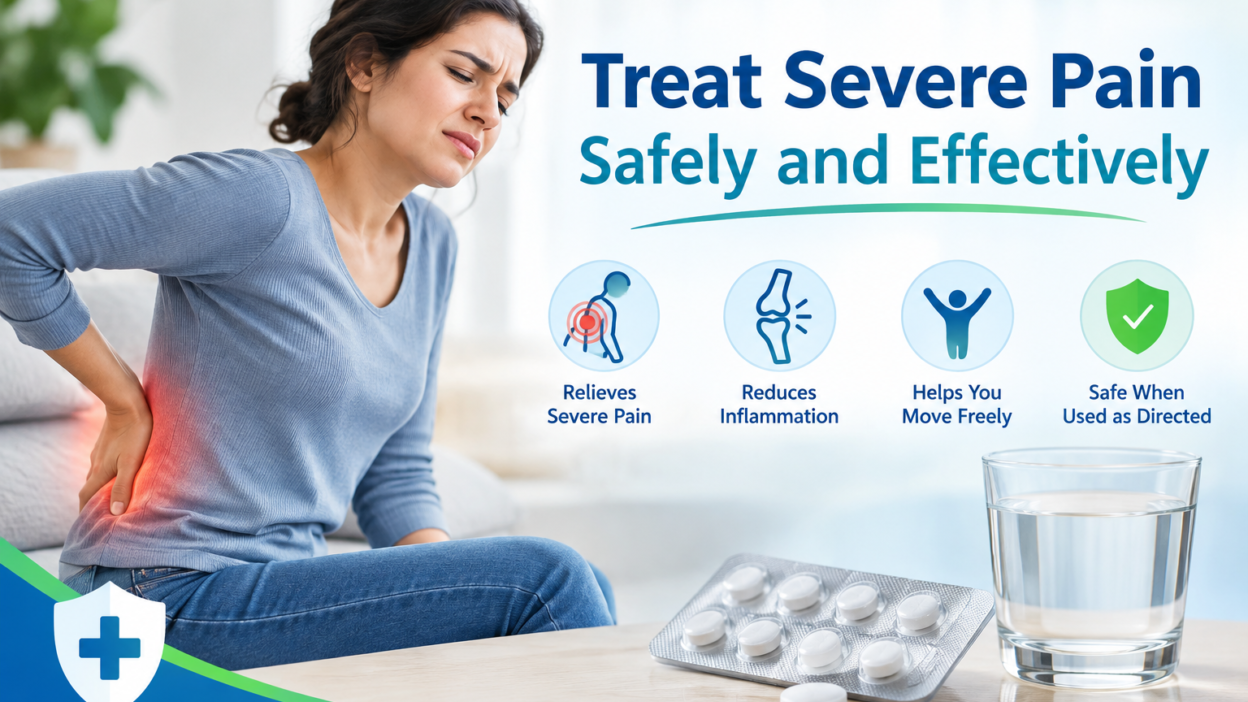
Severe pain can affect almost every part of daily life. It may make walking, working, sleeping, exercising, or spending time with family difficult. Pain can come from an injury, surgery, nerve problems, muscle strain, or other health conditions. Finding the right approach can help people manage discomfort and maintain a better daily routine.
For people whose healthcare professional has determined that opioid treatment is appropriate, Tapentadol 100mg and Tapaday 200mg may be prescribed for certain types of moderate to severe pain. Tapentadol is an opioid analgesic, so it requires careful medical supervision. The right dose and treatment period depend on the person’s condition, previous treatment, and response to therapy.
Understand What Causes Severe Pain
The first step toward better pain management is understanding the possible cause. Severe pain can develop suddenly after an injury or operation, or it can continue because of an ongoing health problem. Some people experience pain in the back, joints, muscles, or other areas of the body.
A healthcare professional can assess the location, intensity, duration, and possible cause of pain. This assessment helps determine which treatment approach may be suitable.
Keeping a simple pain diary can also help. Record when the pain starts, what makes it worse, what improves it, and how it affects sleep or movement. This information can make medical discussions more useful.
Follow the Prescribed Treatment Plan
Prescription pain treatment should always follow the instructions provided by a qualified healthcare professional. Do not increase the dose, take doses more frequently, or continue treatment longer than advised.
Tapentadol products require particular care because opioids can cause dependence, misuse, overdose, and potentially life-threatening breathing problems. Australian regulatory guidance recommends assessing risks before prescribing and monitoring patients during treatment.
If treatment does not provide enough relief or causes troublesome effects, speak with a healthcare professional rather than changing the dose yourself.
Keep Moving Within Your Limits
Pain can make people want to stay completely still, but prolonged inactivity can sometimes make daily movement harder. When appropriate, gentle movement can help maintain flexibility and physical function.
Start slowly and respect your body’s limits. Short walks, gentle stretching, or movement recommended by a healthcare professional may fit into a daily routine.
Avoid pushing through severe or worsening pain. If a particular movement causes significant discomfort, stop and discuss it with a healthcare professional.
Improve Your Sleep Routine
Severe pain can interfere with sleep, while poor sleep can make pain feel harder to manage. Creating a consistent bedtime routine may help support better rest.
Try to go to bed and wake up at similar times each day. Keep the bedroom comfortable and reduce unnecessary distractions before bedtime. Gentle relaxation, quiet activities, and limiting stimulating activities late at night may also help.
If pain repeatedly wakes you during the night, tell your healthcare professional. Night-time pain can provide useful information about the underlying condition and treatment needs.
Use Heat or Cold When Appropriate
Some types of pain may respond to heat or cold. A warm application may help relax tense muscles, while a cold application may provide temporary comfort after certain injuries.
Use a suitable barrier between the skin and a hot or cold source. Avoid applying extreme temperatures directly to the skin for extended periods.
If you have reduced sensation, circulation problems, or another condition that affects your skin or nerves, ask a healthcare professional before using heat or cold.
Make Daily Activities Easier
Small changes around the home or workplace can reduce unnecessary strain. Use good posture when sitting, keep frequently used items within easy reach, and take regular movement breaks if you work at a desk.
When lifting objects, use safe lifting techniques and avoid lifting more than you can manage comfortably. If your work involves repeated movements, discuss ways to reduce physical strain.
These simple adjustments may help you conserve energy and focus on important daily activities.
Pay Attention to Safety
Safety becomes especially important when using opioid pain treatment. Opioids can cause drowsiness and breathing problems, and the risk can increase when they are combined with alcohol or other substances that depress the central nervous system.
Store prescribed pain medicine safely and keep it away from children and anyone who should not take it. Never share prescription medicine with another person.
If you experience extreme sleepiness, slow or difficult breathing, confusion, or signs of a serious reaction, seek urgent medical attention.
Do Not Stop Long-Term Opioid Treatment Suddenly
People who use opioids regularly can develop physical dependence. Stopping suddenly or reducing the dose too quickly can cause withdrawal symptoms and uncontrolled pain. Australian regulatory guidance recommends gradual, individualized tapering when opioid treatment needs to end in a physically dependent patient.
If you want to stop or reduce treatment, speak with your healthcare professional first. They can create a suitable plan based on your treatment duration, dose, pain condition, and individual needs.
When to Seek Medical Help
Severe pain deserves medical attention when it is sudden, unexplained, persistent, or getting worse. Seek urgent care when severe pain occurs with symptoms such as difficulty breathing, loss of consciousness, severe weakness, major injury, or other serious changes.
You should also contact a healthcare professional if your current treatment no longer controls your pain, if side effects interfere with daily activities, or if you need help changing your treatment plan.
Managing Pain in the UK and Australia
People in the UK and Australia should follow local prescribing and medicine-safety requirements. Prescription pain treatment may have specific rules around supply, monitoring, and safe use. In Australia, tapentadol products are regulated prescription medicines, and the Therapeutic Goods Administration provides specific safety information for opioid medicines.
When researching treatment options online, use reliable health information and discuss prescription choices with a qualified healthcare professional.
A Practical Approach to Better Daily Living
Pain management works best when people focus on more than pain intensity alone. A useful daily approach can include appropriate medical care, safe movement, good sleep habits, practical activity changes, and regular communication with a healthcare professional.
If a prescribed treatment is part of your pain-management plan, use it exactly as directed. BuyRxSafe can provide information about available healthcare products, but prescription pain treatment should be used only according to professional medical advice and applicable local requirements.
Final Thoughts
Severe pain can make ordinary activities feel difficult, but a structured approach can make daily life more manageable. Start by identifying the cause of pain and discussing suitable treatment with a healthcare professional. Combine appropriate medical care with gentle movement, healthy sleep habits, practical adjustments, and regular monitoring.
Most importantly, do not change prescription opioid treatment on your own. Careful use, proper monitoring, and professional guidance can help reduce avoidable risks while supporting safer pain management.