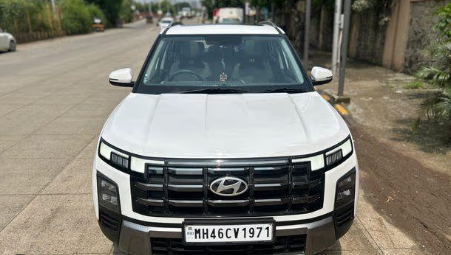
A used SUV can offer space, road presence, and equipment at a price well below a new equivalent. The risk is that attractive asking prices can hide expensive tyres, suspension work, accident repairs, neglected four-wheel-drive systems, or incomplete ownership records. The best deals are found by comparing condition as carefully as price.
Define the SUV you actually need
A compact front-wheel-drive SUV used mainly in the city has very different ownership needs from a large ladder-frame 4×4. Decide passenger count, parking constraints, highway use, rough-road requirements, luggage space, fuel preference, and transmission before browsing listings. This stops a tempting but unsuitable vehicle from becoming the benchmark.
Compare like-for-like examples
Used SUV deals should be compared by model year, exact variant, kilometres, ownership count, service history, location, and condition. A base trim and a top trim can differ materially in safety and equipment. An unusually cheap listing may also be due for tyres, insurance, or major service.
Check tyres before the cosmetic details
SUV tyres can be expensive, particularly larger sizes. Inspect tread depth, age, sidewall damage, and whether all four tyres are a compatible set. Uneven wear can indicate alignment, suspension, or accident-related issues. A fresh set of four tyres can change the effective purchase price substantially.
Inspect suspension and steering carefully
Heavier vehicles place greater loads on suspension components. During the test drive, listen for clunks over broken surfaces, check whether the car tracks straight, and watch for steering vibration or excessive body movement. Worn bushes, dampers, bearings, or steering components can make a seemingly good deal expensive.
Look for evidence of hard off-road use
If the SUV has four-wheel drive, inspect the underbody for damage, dents, scrapes, or leaks. Test selectable drive modes where appropriate and make sure warning lights behave normally. Off-road use is not automatically a problem, but poor maintenance after hard use is.
Treat service history as part of the valuation
A documented service trail can show whether oil changes, transmission service, filters, timing components, and other scheduled work were completed. Large SUVs can have expensive missed maintenance. A cheaper car with gaps in history may cost more to correct than a slightly higher-priced example with transparent records.
Check accident repairs structurally, not cosmetically
Paintwork can be repaired well, so do not reject a car simply because a panel was repainted. Focus on chassis rails, pillars, suspension mounting points, airbag warning lights, welding, uneven gaps, and signs of water ingress. A professional inspection is worthwhile when the SUV is expensive or complex.
Verify ownership and finance records
Match the RC with the seller, check insurance, chassis information, and any active hypothecation. Review pending challans and the ownership-transfer process. A mechanically excellent SUV is still a poor purchase if the seller cannot establish clean title.
Calculate fuel and maintenance honestly
Large tyres, higher insurance values, heavier components, and lower fuel efficiency can make an SUV costlier to run than a hatchback or sedan. Do not let the reduced used-car price hide the recurring cost difference. Build a realistic monthly ownership estimate before negotiating.
Use finance only after the car passes inspection
A used car loan can spread the purchase price, but approval does not validate the condition of the SUV. Arrange finance after you are satisfied with the vehicle and its documents. Compare lender valuation, down payment, rate, tenure, fees, and total repayment.
Set aside a post-purchase reserve
Even a well-inspected used SUV can need a service, alignment, fluids, battery, or minor electrical work soon after purchase. Keeping a reserve prevents those costs from being pushed onto expensive short-term credit after the sale.
The best deal is usually the most transparent one
A strong used SUV purchase is not necessarily the lowest advertised price. It is the vehicle whose condition, history, ownership, and upcoming maintenance justify the price. Paying a little more for a well-kept example can be cheaper than buying the bargain listing and repairing it immediately.
Check the cost of model-specific wear items
Some SUVs use large tyres, complex automatic transmissions, diesel after-treatment systems, or electronically controlled suspension. Research the replacement cost of major wear items before negotiating. A discount of Rs. 50,000 can disappear quickly if the car immediately needs a tyre set or a major scheduled service.
Consider city usability alongside capability
Ground clearance and a commanding driving position can be attractive, but a wide SUV can be tiring in tight parking spaces and dense traffic. Test the turning circle, visibility, camera quality, clutch weight or low-speed automatic behaviour, and access to your regular parking spot. Practical inconvenience can outweigh occasional off-road ability.
Compare insurance quotes before purchase
Insurance can vary by model, age, declared value, location, and add-on cover. Obtain an indicative quote before finalising an expensive used SUV. A premium vehicle bought cheaply can still carry high insurance and repair costs because replacement parts remain expensive.
Research service support in your city
An SUV can be reliable yet inconvenient to own if qualified service support or parts are difficult to access locally. Check authorised and reputable independent workshops, parts availability, and owner experiences for the exact powertrain. This is particularly important for discontinued models or niche imports.
Do not overvalue cosmetic preparation
Fresh detailing, polished paint, and a clean cabin can improve first impressions, but they do not tell you whether the SUV needs suspension work, transmission service, or expensive tyres. Inspect mechanical condition and records before giving a premium to presentation. A less polished vehicle with transparent maintenance can be the stronger buy.
Check whether the exact variant suits your intended use
Different variants can have different wheel sizes, safety equipment, four-wheel-drive systems, or engine and transmission combinations. Verify the exact trim rather than relying on the model name alone. This prevents you from comparing prices across vehicles that look similar but have very different equipment and maintenance costs.