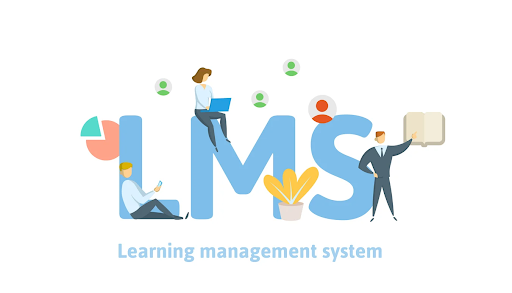
Beginning a new job becomes easy if employees are provided with proper guidelines, effective resources, and necessary support. A good learning management system will help organisations make their teams aware of organisational procedures, roles and responsibilities, tools used at work, and expectations from the start. Organisations looking for the best LMS in India can have a platform that offers everything together in one place.
- Why Employee Onboarding Needs a Smart LMS: Onboarding of an employee involves multiple processes like policy familiarisation, role training, introduction to teams, and practice on tools. An LMS allows this to happen by scheduling courses and learning paths. The new employee can access the lessons in a proper order and can repeat the information when needed. Similarly, managers can maintain a proper structure of training programs for various departments and positions.
- Faster Training Through Self-Paced Learning: All employees have different rates of learning. The LMS helps in making the learning process self-paced, thus giving the employees a chance to undertake lessons at convenient working hours. The provision of small video tutorials, case studies, questionnaires, and downloadable information could help make the learning process easy for the employees. The employees would be allowed to practice and become proficient in the lessons before undertaking more difficult tasks.
- Personalised Learning Paths for Every Role: Different jobs will have different competencies, meaning that a single training program will not apply to all employees. In the contemporary LMS, the company can design training programs for its sales staff, IT staff, customer service staff, financial personnel, and management. The training programs can contain role-based courses, exams, due dates, and milestones. The employees get relevant information, and the managers get insight into learning needs.
- Tracking Progress and Measuring Training Results: Training will become more effective if organisations can assess how well employees have progressed. The LMS dashboard may feature information on completed courses, quizzes, participation, and pending lessons. Managers can leverage such information for scheduling additional assistance and learning sessions and rewarding learning accomplishments. Reporting will allow organisations to identify outdated information and effective training activities.
- Mobile Access and Flexible Workplace Learning: Employees may be operating from offices, their own homes, client sites, or from other cities altogether. The mobile LMS enables them to undergo training using either a computer, a tablet, or a smartphone. Flexibility in access to the LMS will ensure continuous training is done during appropriate times when learning is convenient. This ensures consistency in training and empowers employees in managing their learning on a daily basis.
- Integrations That Improve Daily Work: An LMS becomes increasingly effective once integration with other workplace applications takes place. Integration of HR solutions, instant communication software, calendar programs, and identity management solutions could facilitate employee access and training management. Enrolment automation may automatically enroll employees in relevant courses depending on their positions. The aforementioned integrations will make for a seamless learning experience and assist in managing training data through one streamlined process.
In conclusion, the right LMS provides a structured way of onboarding, quick information exchange, individual training, and measuring employee development. On the other hand, LMS provides a definite route of learning for the employees and also makes the training process easier for the managers. Some of the factors that should be considered while choosing the best learning management system platforms include user-friendly features, flexible learning options, and future training goals. It helps organisations build an able and productive workforce through effective learning.