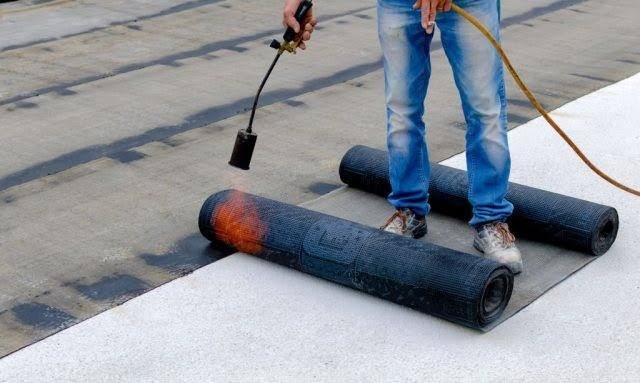
If you are wondering how long does roll roofing last, the answer depends on the type of roofing material, installation quality, roof slope, weather exposure, maintenance, and the condition of the underlying roof deck. Roll roofing can be a practical option for certain low-slope residential structures, but it does not necessarily have the same expected service life as every other roofing system.
For homeowners, understanding the expected lifespan of roll roofing can make it easier to plan maintenance, recognize deterioration, and determine when a professional roof inspection may be appropriate.
How Long Does Roll Roofing Last?
So, how long does roll roofing last?
There is no single lifespan that applies to every roll roofing installation. Different products and systems can have substantially different performance characteristics.
For example, GAF describes its Mineral Guard residential roll roofing as a product for smaller residential structures such as porches, garages, carports, and sheds. Its fiberglass-reinforced construction is designed to help resist moisture absorption and weathering.
Other roll-based modified-bitumen systems are designed for low-slope roofing applications and may have longer manufacturer warranty or guarantee periods. GAF’s LIBERTY SBS self-adhering roofing system, for example, offers limited warranty coverage of up to 20 years on select systems, subject to the applicable requirements and exclusions.
This means homeowners should look at the specific roofing product and complete roofing system rather than relying on one general number.
What Determines Roll Roofing Lifespan?
Several factors can affect the life expectancy of rolled roofing.
1. Installation Quality
Even a durable roofing material can experience premature problems when it is installed incorrectly.
Proper preparation of the roof deck, correct fastening or adhesion, appropriate overlaps, flashing details, and installation according to manufacturer requirements all contribute to long-term performance.
Poor installation can lead to open seams, wrinkles, lifting edges, water intrusion, and other problems.
2. Weather Exposure
Sun, heat, wind, rain, and storms can gradually affect roofing materials.
Homes in warm, sunny climates may experience significant UV and thermal exposure. Severe storms can also cause punctures, lifted sections, impact damage, or other defects.
Regular inspection can help identify small problems before they become larger roof repairs.
3. Roof Drainage
Water should be able to drain away from the roof rather than remaining in low areas.
Standing water can create additional stress on roofing materials and may contribute to deterioration over time. GAF’s Mineral Guard installation information specifically states that the product should be installed on roofs with positive drainage and should not be used where water can collect.
4. Maintenance
Routine maintenance can extend the useful life of many roofing systems.
Homeowners should pay attention to damaged flashing, blocked drainage, deteriorating sealants, exposed areas, loose material, and signs of water intrusion.
Addressing a minor defect early may help prevent more extensive damage to the roof deck or interior of the property.
Signs Your Roll Roofing May Be Near the End of Its Life
Knowing the answer to how long does roll roofing last is useful, but the roof’s actual condition is even more important.
Watch for warning signs such as:
- Cracking or splitting
- Blistering
- Loose or lifted edges
- Open seams
- Missing or damaged sections
- Excessive surface wear
- Persistent ponding water
- Damaged flashing
- Water stains on ceilings or walls
- Repeated roof leaks
- Soft or deteriorated areas
Not every visible defect means the entire roof needs replacement. Some problems may be repairable, particularly when they are discovered early.
However, widespread deterioration can indicate that the roofing system is approaching the end of its useful service life.
Does Roll Roofing Require Regular Inspection?
Yes. Regular visual checks and professional evaluations can help homeowners understand the condition of their roofing system.
A professional roof inspection can examine accessible roofing materials and identify visible signs of deterioration, damage, drainage concerns, flashing problems, and potential moisture intrusion.
An inspection can be especially valuable when buying or selling a property, after severe weather, or when a roof is showing signs of age.
Homeowners should also keep documentation about the roof’s installation date, material, repairs, warranties, and previous inspections. This information can make it easier to determine whether the roof is aging normally or experiencing premature problems.
Roll Roofing vs. Other Roofing Systems
Roll roofing is not simply a rolled version of traditional asphalt shingles. It is available in different forms and is commonly used for specific roofing applications, particularly low-slope areas and smaller structures.
Modern modified-bitumen products can provide different performance characteristics from basic mineral-surfaced roll roofing. For example, GAF’s LIBERTY system uses polymer-modified asphalt and reinforced materials as part of a two-ply low-slope roofing system.
Therefore, homeowners should compare the actual roofing system, installation method, slope requirements, warranty information, and maintenance needs before deciding whether a particular product is appropriate.
When Should You Consider Replacing Roll Roofing?
Roof replacement may become necessary when repairs are no longer practical or when deterioration is widespread.
Consider obtaining a professional evaluation if the roof has frequent leaks, extensive cracking, deteriorated seams, significant water damage, or multiple areas requiring repair.
Age alone should not automatically determine whether a roof needs replacement. A well-maintained roof with limited deterioration may continue performing adequately, while a poorly installed or heavily weathered roof may require attention sooner.
A professional assessment can help homeowners understand the difference between isolated repairs and broader replacement needs.
Conclusion
So, how long does roll roofing last? The answer varies according to the roofing product, installation quality, environmental exposure, drainage, maintenance, and overall roof condition.
Some residential roll roofing products are intended for smaller structures and specific applications, while modified-bitumen roll roofing systems can offer different levels of durability and warranty coverage.
Instead of relying solely on the roof’s age, homeowners should watch for visible deterioration, leaks, drainage problems, and other warning signs. Regular maintenance and timely inspections can help identify problems before they develop into more expensive repairs.
If you are buying a property with an older rolled roof or are unsure about the remaining service life of your existing roof, a professional roof inspection can provide useful information about its current condition and help you plan your next steps.