
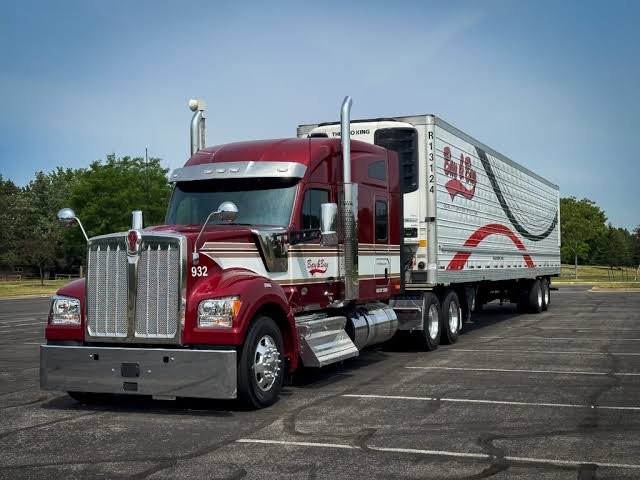
Shipping temperature-sensitive goods involves an important cost choice: LTL or full truckload. LTL often suits smaller loads because several shippers share trailer space, while full truckload can offer better value as shipment volume grows. Comparing shipment size, trailer capacity, route, handling, and service requirements helps businesses choose an option that fits their shipping budget.
How Does Shipment Size Affect Refrigerated Freight Cost?
Shipment size affects how efficiently a business uses trailer capacity. LTL combines shipments from multiple customers in one refrigerated trailer. This allows smaller loads to share capacity, making it practical for businesses shipping less than a full trailer.
As freight volume grows, full truckload pricing can become more competitive. A shipment occupying substantial trailer space may justify a dedicated truck. Weight, dimensions, pallet space, and freight characteristics influence the cost comparison between both options.
When Does LTL Refrigerated Freight Cost Less?
LTL can offer cost savings when a shipment uses a smaller portion of a refrigerated trailer. Multiple customers share capacity, while rates reflect shipment weight, dimensions, freight classification, distance, and required delivery services.
Businesses using refrigerated freight services can compare LTL pricing for smaller shipments. Rates can also reflect temperature requirements, fuel charges, pickup conditions, and delivery services. Accurate shipment details help carriers provide quotes based on transportation needs.
When Does Full Truckload Refrigerated Freight Cost Less?
Full truckload pricing can become attractive as a shipment takes up more trailer capacity. The shipper receives dedicated space, which can improve cost efficiency when the available capacity closely matches the size and requirements of the refrigerated load.
Dedicated truckload service typically supports direct movement between pickup and delivery locations with fewer freight transfers. Businesses with larger shipments can compare full truckload and LTL quotes to determine which option provides a lower total transportation cost.
LTL vs. Full Truckload Cost by Shipment Size
The general cost pattern becomes clearer when shipment size and trailer use are compared:
| Shipment Profile | LTL | Full Truckload |
| Smaller load | Often cost-effective | Provides extra capacity |
| Growing load | Costs rise with requirements | Becomes more competitive |
| Large load | Charges may increase | Can become cost-effective |
| Trailer use | Shared capacity | Dedicated capacity |
Actual pricing depends on the shipment, route, carrier, and required service.
What Other Factors Can Change the Final Cost?
Several shipment details can influence the total freight price, such as:
- Distance: Longer routes generally increase transportation costs.
- Temperature Requirements: Temperature settings influence equipment and operating needs.
- Freight Dimensions: Pallet dimensions and stackability affect trailer capacity.
- Delivery Requirements: Appointments and special handling can add service charges.
These factors help businesses compare refrigerated freight services by total shipment cost.
How Can You Choose the Lower-Cost Option?
A direct cost comparison can help businesses choose a suitable shipping method:
- Measure the Shipment: Record weight, dimensions, and pallet count.
- Define Service Needs: Confirm temperature and handling requirements.
- Request Both Quotes: Compare LTL and full truckload pricing.
- Compare Total Costs: Review freight rates, fuel charges, and accessorial fees.
These steps provide a clear comparison based on actual shipping needs.
Conclusion
LTL often provides better cost efficiency for smaller refrigerated shipments because businesses share trailer capacity. Full truckload can become more economical as shipment volume increases and dedicated space becomes worthwhile. Since pricing varies by route, freight size, temperature needs, carrier, and service requirements, comparing complete quotes helps businesses identify the option that fits their shipment and budget.