
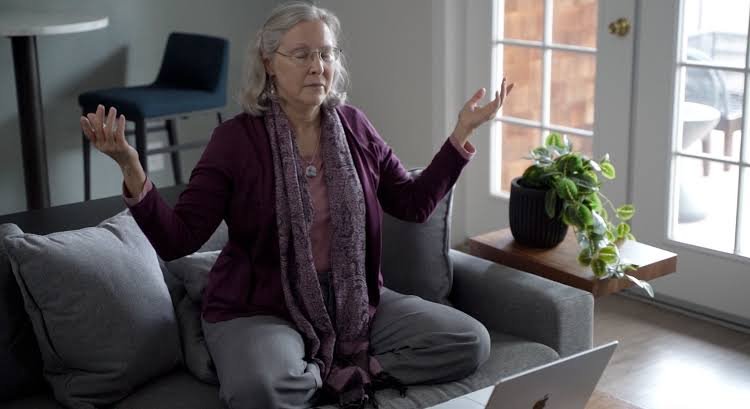
Finding time for personal well-being can be challenging when daily responsibilities fill your schedule. Remote spiritual healing allows you to explore spiritual practices from home. These sessions focus on relaxation, personal reflection, and spiritual connection. Understanding how they work can help you prepare for your first appointment and set clear expectations.
What Is Remote Spiritual Healing?
Distance spiritual healing involves a practitioner offering spiritual support while you remain in another location. Depending on their approach, practitioners may use prayer, meditation, visualization, or energy-focused practices to guide the experience and encourage personal reflection during the appointment.
People explore these sessions for different reasons, including spiritual interests, emotional awareness, and personal reflection. The practice draws on spiritual beliefs and traditions, while participants interpret their experiences through their own perspectives, expectations, and spiritual backgrounds and values.
How Does a Distance Healing Session Work?
Distance healing sessions usually follow a few simple stages. Practitioners may connect via phone calls, video meetings, or other agreed-upon arrangements.
A typical session includes these steps:
- Initial Consultation: Share your intentions, interests, and expectations with the practitioner.
- Session Preparation: Settle comfortably while the practitioner explains their approach.
- Healing Process: The practitioner may use prayer, meditation, visualization, or energy-focused techniques.
- Closing Discussion: Share your experience, ask questions, and discuss personal reflections.
These stages help participants understand the appointment and feel comfortable engaging with the experience.
What Should You Expect During a Distance Healing Session?
During a session, you may feel calm, warm, emotionally aware, or still. Some people simply enjoy the opportunity to rest quietly. Individual experiences depend on personal expectations, surroundings, beliefs, and the session activities.
Your practitioner may guide breathing exercises or invite you to sit comfortably with your thoughts. You can approach the experience with curiosity and focus on your feelings throughout the appointment. Each participant may describe their experience differently.
What Happens After a Distance Healing Session?
After the appointment, you may spend time reflecting on your thoughts and feelings. Some practitioners encourage journaling or quiet reflection. These activities can help you understand your experience and identify anything you would like to discuss further with them.
You may also receive suggestions for meditation or other spiritual activities between appointments. Follow-up sessions depend on your interests and preferences. Spiritual healing remains a complementary wellness practice, and experiences and perceived benefits vary by person.
How Can You Prepare for Your First Distance Healing Session?
A little preparation can make your appointment comfortable. Consider these practical tips:
- Choose Your Space: Find a peaceful room where you can relax comfortably.
- Check Session Details: Confirm the appointment time, duration, fees, and how you’ll communicate.
- Share Your Expectations: Explain your interests and ask questions about the practitioner’s approach.
These arrangements allow you to focus on the experience and participate comfortably.
Conclusion
Remote spiritual healing offers an opportunity to explore spiritual practices from a familiar environment. Understanding the process, preparing your space, and communicating with your practitioner can help you approach each appointment confidently. Choose someone who respects your preferences and explains their approach clearly, allowing you to decide how the experience fits your personal wellness interests.