
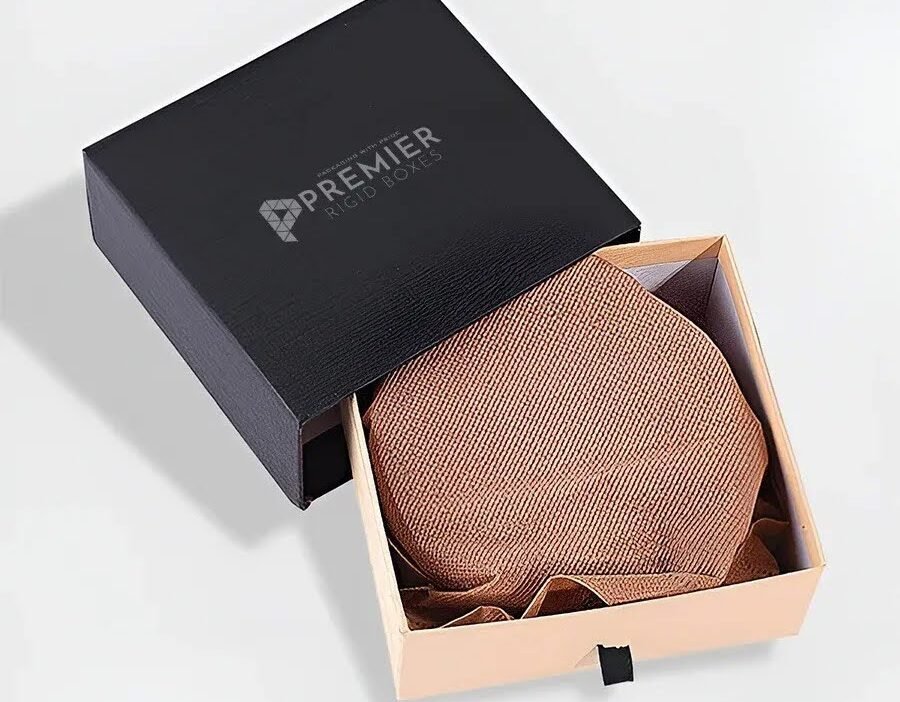
Remember when a t-shirt order just showed up in a plastic mailer, and that was that? Nobody blinked at it. The shirt was the point, the bag was just the delivery vehicle, and the two barely registered as connected. Fast-forward a few years, and many apparel brands have quietly stopped thinking about it that way. The box a piece of clothing shows up in isn’t treated as an afterthought anymore – for brands paying attention, it’s folded into the same apparel product experience as itself.
The Pause Before You See the Clothes
There’s a small stretch of time between a package landing on your porch and actually pulling the item out of it. Doesn’t sound like much, but it’s where a lot of the emotional payoff of a purchase lives. Order a jacket you’ve wanted for months, or a dress for something specific coming up, and that little pause matters. Rip open a plastic bag, and it’s over in a second – no ceremony, no build-up. A box that opens with some deliberate design behind it stretches that moment out, even if only by a few extra seconds, and that shift changes how the whole purchase sits with someone afterward.
Brands that’ve swapped plain mailers for real boxes keep mentioning the same thing: more unboxing content shows up online, unprompted, without a dime spent on it. People film things worth filming. A plastic bag rarely earns that. A box with a good lid and clean branding usually does.
Clothes Are Not as Tough as People Think
There’s a functional reason for this shift too, separate from feelings and vibes. Clothing takes more of a beating in transit than most people assume. A structured jacket loses its shape fast if it’s stuffed into a soft mailer. Delicate fabric wrinkles or catches on things. Beading, sequins, and embroidery – all of it is vulnerable without something rigid protecting it along the way. A soft bag keeps out rain and road grime, sure, but it does nothing when a heavier package gets tossed on top during a truck run.
Rigid packaging solves that problem in a way a soft bag just can’t touch. The garment holds its shape, delicate work stays intact, and the piece arrives looking the way it did when it left the warehouse – not something that needs a steamer before it’s wearable. That difference counts for more the higher the price tag climbs. Nobody wants to spend real money and then have to fix the thing before they can put it on.
Comparing the Common Packaging Options
| Packaging Type | Protection Level | Cost | Perceived Value | Best Suited For |
| Poly mailer bag | Low | Very low | Low | Basic tees, everyday essentials |
| Folding carton | Medium | Low-medium | Medium | Mid-range casual wear |
| Rigid box | High | Medium-high | High | Premium apparel, gifting, capsule drops |
| Custom rigid box with insert | Very high | High | Very high | Luxury or limited-run pieces |
Packaging Sets Expectations Before the Product Does
People decide how much something’s probably worth before they’ve even touched it, and packaging carries a lot of that weight. A flimsy box makes a genuinely nice item feel cheaper than it is. A solid one does the opposite – it sets the expectation of quality before the lid’s even off, and that expectation carries into how the whole unboxing lands.
That’s a big part of why apparel brands aiming for a higher price point keep drifting toward rigid boxes rather than basic folding cartons or poly bags. There’s a weight and density to a rigid box that a regular cardboard one just doesn’t have, and people notice that within seconds of picking it up, even if they couldn’t explain why.
Keep the Branding Light
The same rule that applies to gift or jewelry packaging holds here. A box covered edge to edge with logos usually reads as trying too hard. What tends to work better is a clean box, one logo placed well, a tight color scheme, maybe tissue paper or a small printed card tucked inside. The clothing is the main event. The box just supports it rather than competing for attention.
This matters even more with apparel bought as gifts, which happens a lot more than people assume – holiday orders, wedding party gifts, corporate apparel sent out to clients. A restrained box design makes that gifting moment feel like it’s about the recipient, not about the company’s logo showing up in their mail.
No Minimum Order, No Big Risk
For a long time, smaller apparel brands couldn’t touch proper custom packaging because suppliers wanted orders in the thousands. That’s loosened up. A growing number of packaging companies now offer luxury apparel boxes no minimum quantity, which means a smaller label can get real rigid packaging without committing to a warehouse full of boxes they might not move for a year.
That flexibility matters more than it sounds. A brand testing a small capsule drop, or a label just starting to sell wholesale, can try premium packaging on a short run first and decide from there whether it’s worth scaling. It takes a lot of the risk out of upgrading, which is probably why brands at every size are starting to make that move now instead of waiting.
Pick a Manufacturer That Actually Knows Apparel
Not every packaging company handles clothing well. Apparel has its own quirks – enough interior space to avoid crushing without wasting material, enough structure to survive a delivery truck, finishes that won’t scuff or catch on delicate fabric. Worth finding a manufacturer that’s actually built rigid boxes for apparel before, not a generic packaging supplier treating every product like it’s the same shape and weight.
Premier Rigid Boxes, for example, specializes in this kind of construction, which usually means a better read on how much room a folded garment needs and how to build something that survives shipping without adding extra bulk or cost. Get a physical sample before committing to a production run too – photos never really show how a box handles the actual weight and shape of folded or hung clothing.
Where This Leaves Things
None of this means every apparel brand needs to rush out and switch to rigid boxes tomorrow. But the shift underneath all this is real. Packaging isn’t an afterthought anymore, at least not for brands paying attention to how people actually experience a purchase. The box is the first thing a customer touches, and more brands are starting to treat it as part of the product rather than just the packaging that got it there safely.